Skip to content
ChemSimplified
  • Blog
  • YouTube
  • Chemistry Practice Questions
  • About
ChemSimplified
  • Blog
  • YouTube
  • Chemistry Practice Questions
  • About
  • Home
  • Private: xBlog
  • Page 2
How to predict number of bonds each element makes

How to Predict number of bonds each element forms

14 Comments / Bonding

Caution: This method works well for elements in Rows 1 & 2. Elements in row 3 and above may deviate from the guidelines as they can exceed octet. There’s a general guideline that is helpful in figuring out the number of bonds each element makes. This comes in handy especially when drawing Lewis structures. It’s called […]

How to Predict number of bonds each element forms Read More »
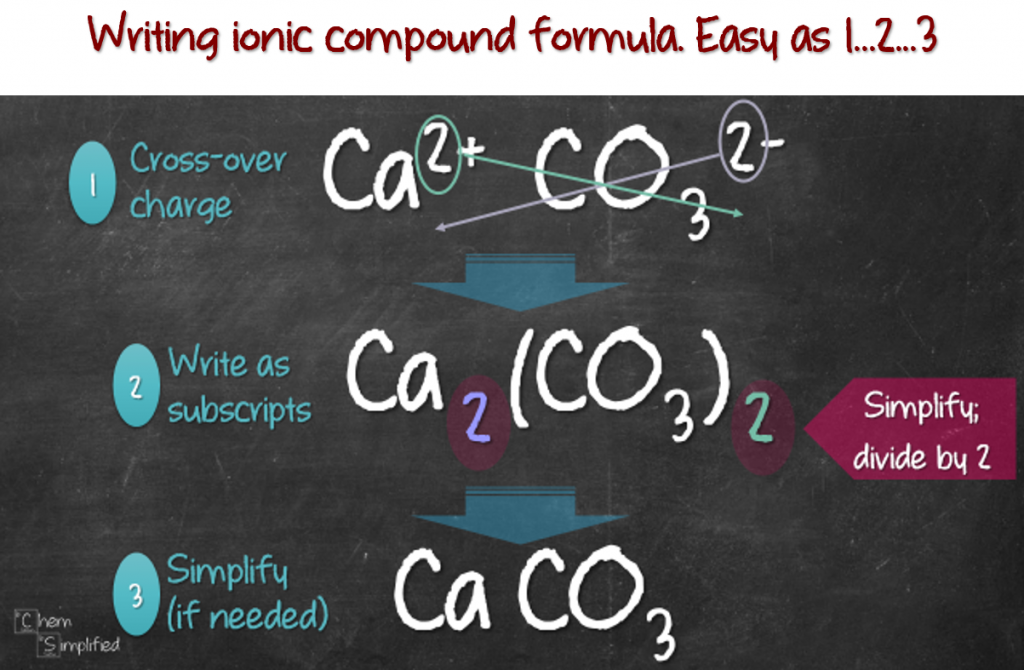
Writing formula for ionic compounds

5 Comments / Formula

When ions of opposite charge get together, they form ionic bonding. Writing the formula for the ionic compound is pretty straightforward. The critical information you’ll need is the charge that each of the ions will form. If they are provided, then life can’t get any better. If not, you’ll need an extra skill to figure

Writing formula for ionic compounds Read More »

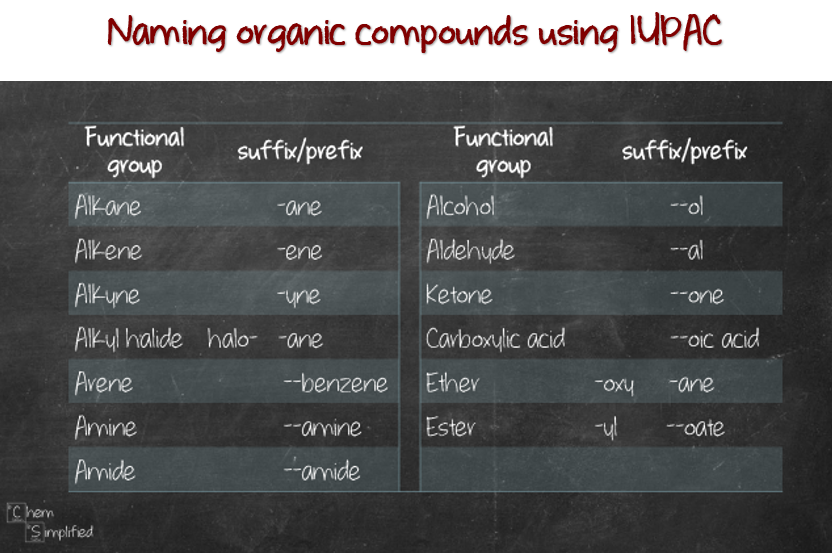
Let’s name those organic suckers (compounds)!

Leave a Comment / IUPAC nomenclature

Do you get overwhelmed when it comes to naming organic compounds? Or do you get excited and accept the challenge of naming them? When I was young(er), I used to dread naming them. Couldn’t be bothered spending time learning the rules (they always seem endless and filled with lots of surprises/exceptions). It was much easier

Let’s name those organic suckers (compounds)! Read More »

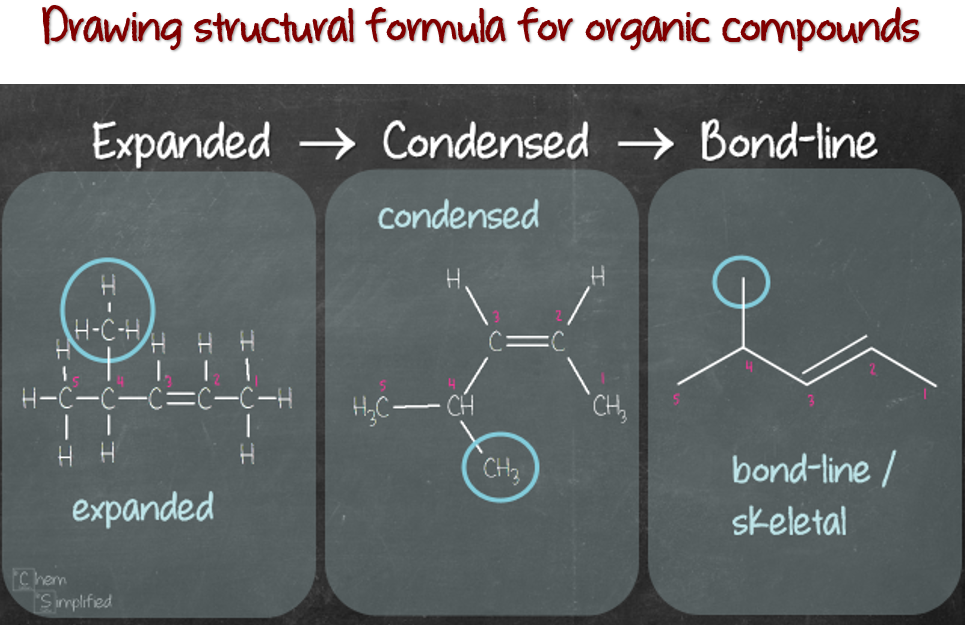
How to draw organic compounds in expanded, condensed and skeletal structural formula

Organic Chemistry 101: Drawing the structures

2 Comments / Organic chemistry

One of the basic skills we need to acquire when learning organic chemistry is the ability to decipher the drawing that illustrates the organic compounds. Sometimes they come in lines with letters, sometimes grouped together and maybe sometimes, hardly any letters at all, just lines. Being able to “read” these structures will pave the road

Organic Chemistry 101: Drawing the structures Read More »

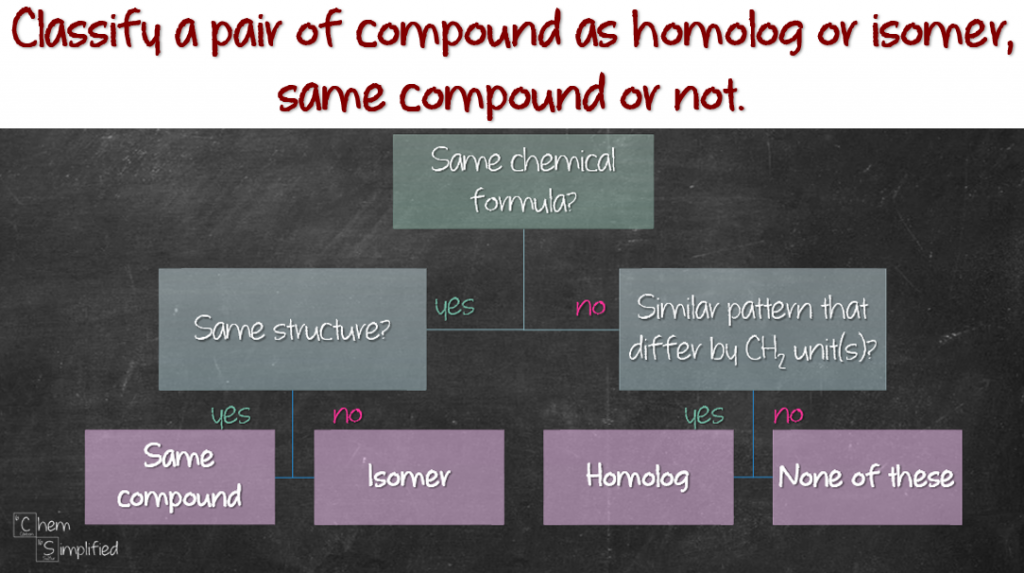
Flowchart to classify homolog, isomer, same compound or not.

All about Homolog and Isomer!

2 Comments / Homolog and isomer

Along with knowing the basic functional groups that are present in organic compounds, chances are high you will encounter these two concepts: Homologous series and Isomerism. Homologous series (homolog for short) is like a family consisting of siblings that possess the same/similar traits. For example, the most basic homologous series consists of unbranched alkane. Check out

All about Homolog and Isomer! Read More »

Identifying Multiple Functional Groups

9 Comments / Functional groups, Organic chemistry

Are you expected to determine the number of functional groups present in a complex compound? Or perhaps you need to identify the functional groups that are present in a given compound? I have a few tips to share: look for anything that is not C-C single bond in a systematic manner (ie. scan from top to

Identifying Multiple Functional Groups Read More »

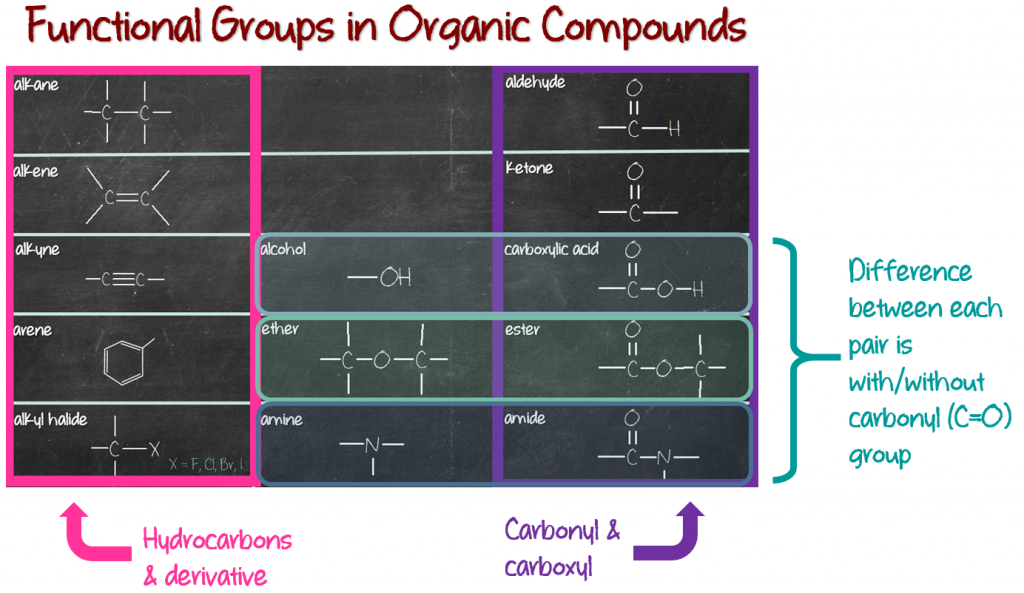
Organic compounds functional groups introduction

Introducing the 13 Functional Groups!

Leave a Comment / Functional groups, Organic chemistry

Do you dread having to remember all the functional groups? If you are in an introductory chemistry course, chances are high that you need to know these 13 functional groups. Thirteen??!!! Yea, thirteen! Don’t worry, it’ll be easier to remember them if you group them in a manner that makes sense. See the image on

Introducing the 13 Functional Groups! Read More »

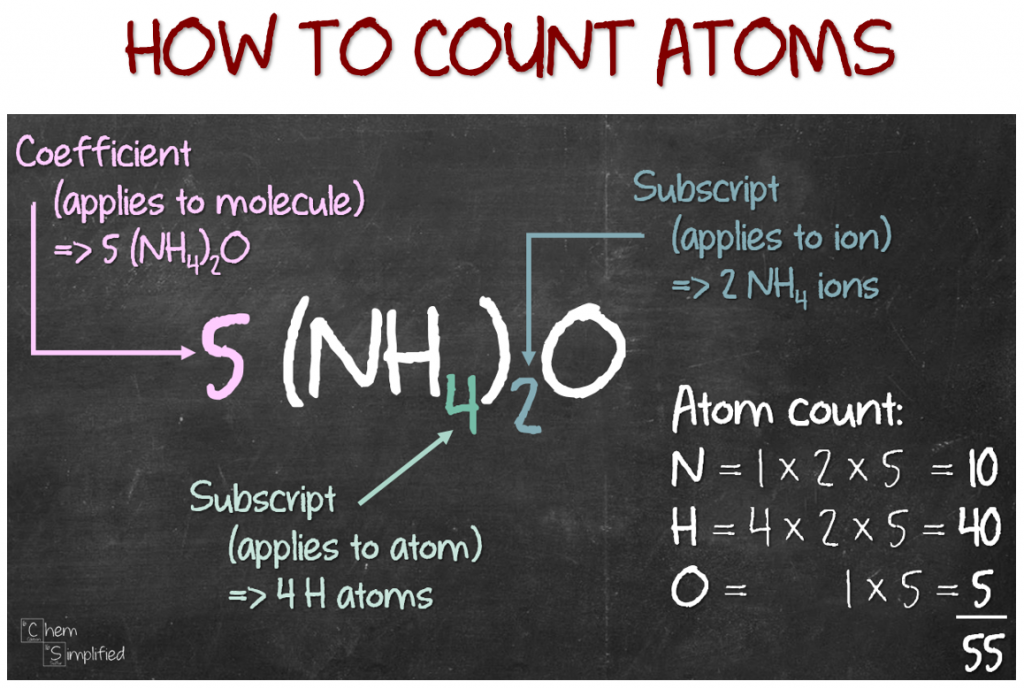
Counting Atoms in a Formula

20 Comments / Chemical equations

Counting atoms … What’s in it for me if I can count atoms correctly? You’ll be able to: balance chemical equations calculate formula/molecular mass calculate mols for a specific substance perform (terrifying) calculations involving mass-mol-# particles for several substances Just to be clear, I am talking about counting the number of atoms present in a

Counting Atoms in a Formula Read More »

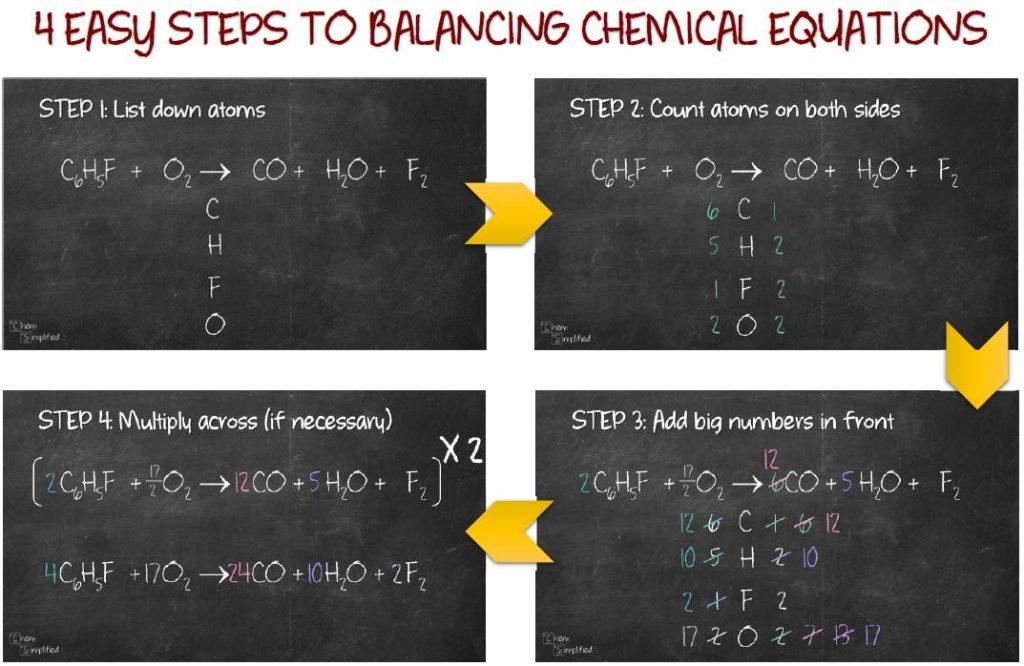
Balancing Complex Chemical Equations

12 Comments / Chemical equations

Last week I posted on the three methods to balance chemical equations. My quick google search seems to point towards Method 1 (by inspection or trial-error-method) and Method 2 (writing down atom counts) being the most popular methods when it comes to balancing equations. Most of the students I have worked with only knew Method

Balancing Complex Chemical Equations Read More »

Balancing chemical equations (Simple)

Balancing Chemical Equations

6 Comments / Chemical equations

Is it important to be able to balance chemical equations correctly and quickly? You bet! Why so? First of all, you’ll make your chemistry teacher happy and maybe impress someone else along the way. Jokes aside, being able to balance chemical equation will open up a lot of possibilities. You’ll be able to get the

Balancing Chemical Equations Read More »

← Previous 1 2

Copyright © 2026 ChemSimplified | Powered by Astra WordPress Theme